Master Your Kitchen Prep: Top Techniques with Nogent Knives
March 13, 2025
Great meals start with great prep, and the right knife can turn a chore into a joy. At Nogent, we’ve been crafting French knives for over a century, blending heritage with precision to bring you tools that shine in any kitchen. Whether you’re slicing crusty bread, peeling apples, or spreading butter on a warm baguette, our knives—made with hornbeam wood or durable polypropylene handles—are designed to make every cut count. In this guide, we’ll share top techniques using Nogent’s available knives to level up your prep game. Let’s get chopping!
Related articles
Seasonal Produce Prep: Getting the Most From Root Vegetables (and Wasting the Least)
A French Cheese & Charcuterie Board, Built Around Three Knives
The Backyard Bistro: Why Nogent Bistro Knives Define the Art of Summer Hosting
Slicing Perfection: Nogent Bread Knife
Nothing beats the satisfaction of cutting through a fresh loaf without squashing it. The Nogent Bread Knife with its serrated edge is your secret weapon. Hold the loaf steady with one hand, and use a gentle sawing motion—let the knife do the work. This technique keeps the crumb intact, whether it’s a rustic sourdough or a soft brioche. I sliced a baguette for a brunch last week, and the even slices were a total crowd-pleaser.
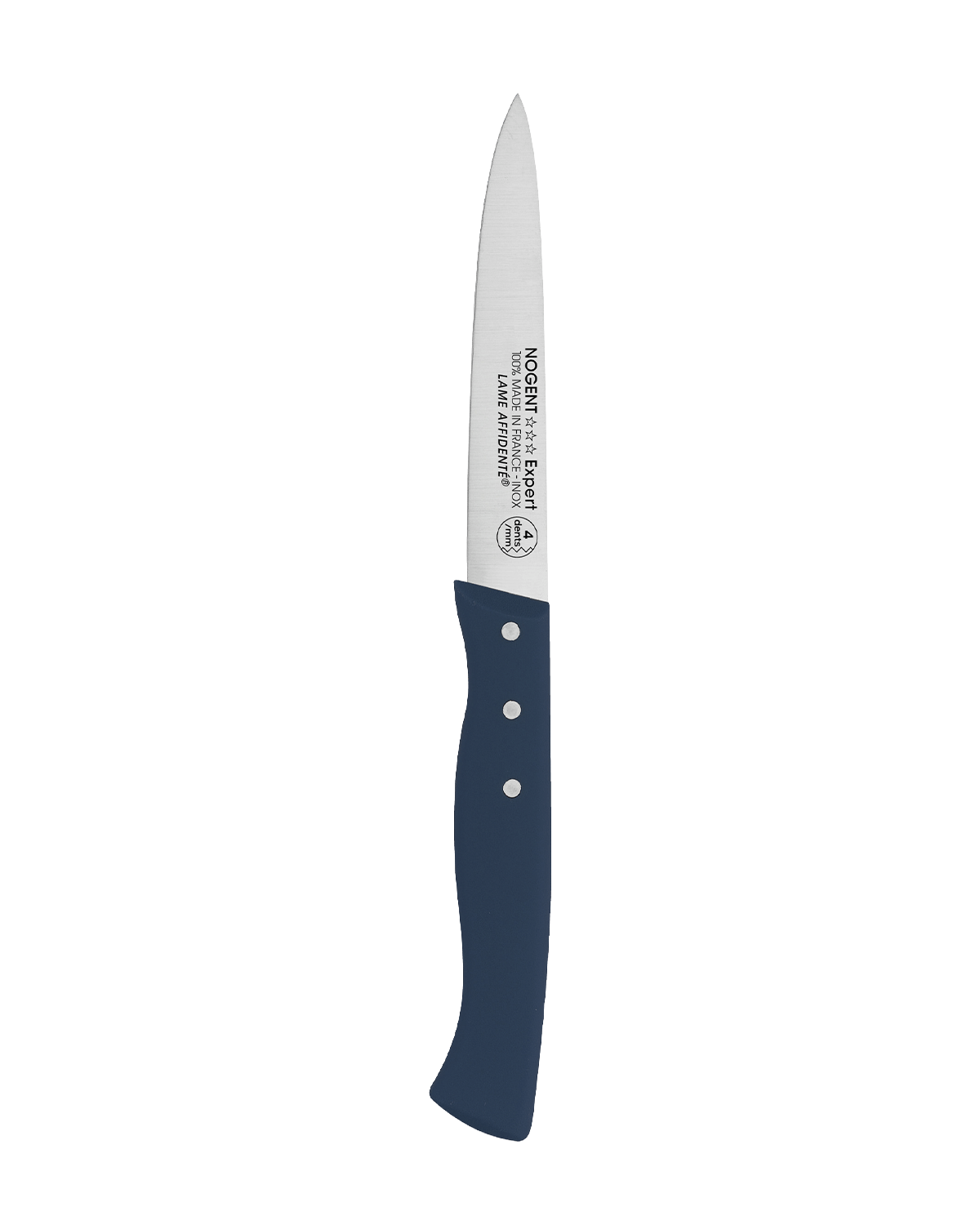
Peeling doesn’t have to be a hassle. The Nogent Paring Knife is perfect for small, precise tasks. Hold the fruit or veggie in your hand, and angle the blade toward your thumb, peeling away in short, controlled strokes. It’s great for apples, potatoes, or even hulling strawberries. I prepped a fruit salad with mine, and the rounded or serrated options made it a breeze.
Pro Tip: The Paring Knife Trio gives you variety for every peeling need.
Chopping Confidence: Nogent Chef’s Knife
For bigger jobs, reach for the Nogent Chef’s Knife. To chop onions or carrots, use the “rocking” technique: keep the tip on the board, lift the handle, and rock down through the food. The curved blade makes it smooth and safe. I diced veggies for a soup last night, and this knife’s balance kept my wrist happy through the whole pot.
Level Up: The Chef’s Knife Set adds more sizes for ultimate versatility.
Tomato Triumph: Nogent Utility & Tomato Knife
Slicing tomatoes without crushing them is an art, and the Nogent Utility & Tomato Knife nails it. Use a light sawing motion to pierce the skin, then glide through the flesh. The serrated edge grips without squishing, perfect for sandwiches or salads. I made a caprese last weekend, and the clean cuts were Instagram-worthy.
Bonus: Grab the Set of 4 to outfit your whole kitchen.
Spreading is more than a finishing touch—it’s a skill. The Nogent Spreader & Butter Knife handles butter, jam, or cream cheese with ease. Hold it at a slight angle and sweep across your bread or bagel for even coverage. I used it on toast this morning, and it felt like a little luxury.
Try This: The Brunch Set pairs it with other essentials for a perfect morning spread.
Bonus Technique: Shucking with the Nogent Oyster Knife
Seafood lovers, this one’s for you. The Nogent Oyster Knife makes shucking simple. Insert the sturdy tip into the hinge, twist gently to pop the shell, then slide along the top to release the oyster. I tried it at a dinner party—messy at first, but so satisfying once I got the hang of it.
Pair It: Add the Fish Scaler for a full seafood prep kit.
Paring Knife
C$16.00
Wood
Select options
This product has multiple variants. The options may be chosen on the product page
Bistro Knife
C$20.00
Wood,Serrated 1mm
Select options
This product has multiple variants. The options may be chosen on the product page
Bread Knife
C$40.00
Wood
Select options
This product has multiple variants. The options may be chosen on the product page
Chef’s Knife
C$50.00
Wood
Select options
This product has multiple variants. The options may be chosen on the product page
FAQs
Q. Which Nogent knife is best for beginners?
A. The Nogent Chef’s Knife (C$45.00) is ideal for beginners—its versatility and balance make basic chopping and slicing easy to master.
Q. How do I sharpen my Nogent serrated knives?
A. For serrated blades like the Bread Knife or Utility & Tomato Knife, use a ceramic rod to hone the gullets gently, or take it to a pro for sharpening.
Q. Can I use the Nogent Paring Knife for meat?
A. Yes, the Paring Knife (C$15.00) works for small meat tasks like trimming fat, but for larger cuts, opt for the Chef’s Knife.
Q. What’s the difference between hornbeam and polypropylene handles?
A. Hornbeam offers a classic, warm feel with durability, while polypropylene is lightweight, budget-friendly, and dishwasher-safe.
From slicing to shucking, Nogent knives bring precision and style to your kitchen prep. With our hornbeam-handled classics and budget-friendly polypropylene options, there’s a blade for every task.