Free Shipping on Orders Over $99 USD.  Shop Now

Free Shipping on Orders Over $70 CAD.  Shop Now

1

Seasonal Produce Prep: Getting the Most From Root Vegetables (and Wasting the Least)

August 22, 2026

There's a particular kind of waste that happens quietly, cut by cut. A thick swipe of the peeler here, an over-trimmed carrot end there, a celeriac stripped down to half its size before it ever hits the pan. Over a season it adds up, not to a single dramatic loss, but to a slow leak of good food into the compost bin.

Root vegetables are where this matters most. They're dense, nutritious, and in season through the colder months, but they're also the produce most often over-peeled and over-trimmed. The good news: with a light, sharp knife and a few small habits, you can keep far more of the vegetable on your plate. Here's how.

Related articles

nogent cheese knife

A French Cheese & Charcuterie Board, Built Around Three Knives

The Backyard Bistro: Why Nogent Bistro Knives Define the Art of Summer Hosting

nogent super kim can opener

The Mechanical Cut: Why the Nogent Super Kim Defines Tool Permanence

The principle: peel thin, cut with intent

Two things drive waste in root vegetable prep. The first is peeling too deep, taking a thick ribbon of flesh along with the skin. The second is trimming out of caution, lopping off far more of an end or a blemish than you need to.

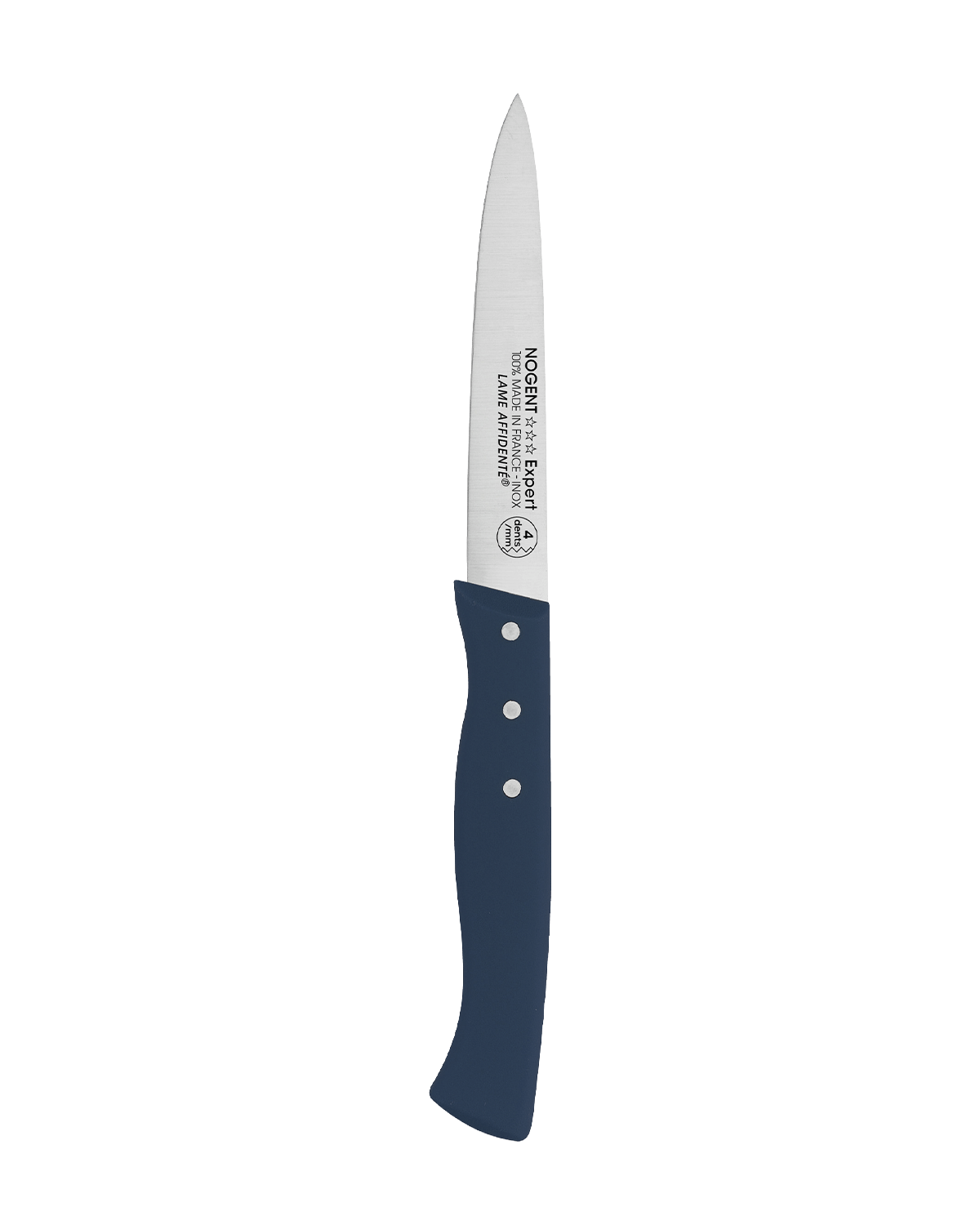
Both come down to control. A heavy, dull blade forces you to press, and pressing means you commit to a deeper cut than you intended. A light, precise knife lets you take exactly what you mean to and no more. This is where the Nogent precision peeler and the ultralightweight paring knife genuinely change the math: thin peels, shallow trims, more vegetable.

Carrots and parsnips: don’t peel at all (usually)

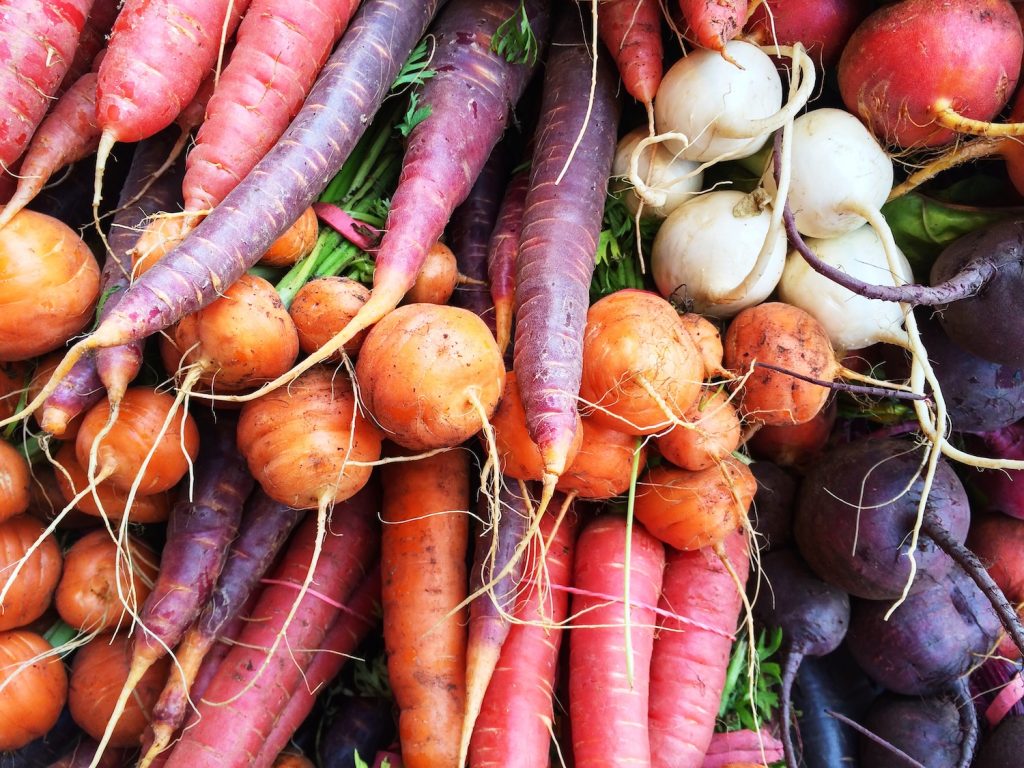
Here’s the quiet secret of the carrot: if it’s fresh and well-scrubbed, it often doesn’t need peeling at all. Much of a carrot’s flavor and nutrition sits just under the skin. A firm scrub with a brush is frequently enough.

When you do peel, for older carrots or a more refined dish, a precision peeler takes a whisper-thin layer rather than a thick strip. For parsnips, the same rule applies, though older parsnips can develop a woody core worth trimming; use a paring knife to cut around it rather than halving the whole vegetable and guessing.

Waste-saver: carrot tops and peels aren’t garbage. Save them in a freezer bag for stock.

nogent knives are perfect for root vegetable prep

Beets: keep the skin on until after roasting

Beets bleed flavor and color when you peel them raw, and peeling raw beets wastes both flesh and time. Instead, scrub them, trim only the very tips of the root and stem, and roast them whole in their skins. Once cooled, the skin slips off with a gentle rub, no knife, no waste, and dramatically less mess on your board.

If a recipe calls for raw beet, a paring knife gives you the control to take a thin skin without carving into the deep-colored flesh underneath.

Waste-saver: beet greens are a vegetable in their own right. Sauté them like chard.

Celeriac: the most over-trimmed root of all

Celeriac (celery root) is knobbly, intimidating, and routinely butchered. People slice off great slabs to get to a clean surface, discarding a third of the vegetable in the process.

The better approach: sit the celeriac flat, take a thin slice off the top and bottom to create stable faces, then work a paring knife around the curve in small, shallow cuts, following the shape rather than squaring it off. You’ll follow the vegetable’s own contour and lose a fraction of what a straight-down chop would cost you. A light blade is what makes this possible: you’re steering, not sawing.

Waste-saver: celeriac trim, well washed, adds a deep celery note to stock.

Turnips, potatoes, and the rest

For most other roots the logic repeats: scrub first, peel thin only when you must, trim shallow, and follow the vegetable’s shape instead of forcing it into a block. A sharp, light knife rewards this restraint. A heavy one fights it.

A quick word on the cut itself

Once peeled, even sizing is what makes root vegetables cook well: uneven pieces mean some are mush before others are tender. This is precision work, and it’s easier with a knife that doesn’t tire your hand. The lighter the blade, the more consistent your tenth cut looks compared to your first. Consistency isn’t just aesthetic here; it’s the difference between a tray of evenly caramelized roots and a tray with burnt edges and raw centers.

The seasonal habit worth building

None of this requires a new technique so much as a new default: scrub before you peel, peel thin, trim shallow, follow the shape. Adopt it for one season of root vegetables and it becomes automatic, and the compost bin gets noticeably lighter.

It’s a small thing. But small things, repeated every night in the kitchen, are exactly where good cooking, and less waste, actually live.

Nogent tomato knife product shot with hornbeam wood handle

Bistro Knife

$16.00
Wood, Serrated 1mm
Select options This product has multiple variants. The options may be chosen on the product page

Ultra Micro Serrated Paring Knife

$25.00
Serrated 4 teeth/mm, Polypropylene
Select options This product has multiple variants. The options may be chosen on the product page
Nogent breadknife product shot

Bread Knife

$35.00
Wood
Select options This product has multiple variants. The options may be chosen on the product page
Nogent spatula product shot

Kitchen Spatula N° 3

$35.00
Wood
Nogent peeler product shot with black polypro handle

Peeler, Double Edge

$8.00
Polypropylene
Select options This product has multiple variants. The options may be chosen on the product page
Nogent table knife with hornbeam wood handle

Table Knife

$13.50
Wood, Serrated 3mm
Select options This product has multiple variants. The options may be chosen on the product page

Frequently Asked Questions

Do I need to peel carrots and parsnips?

Usually not. Fresh, well-scrubbed carrots and parsnips keep much of their flavor and nutrition just under the skin, so a firm scrub with a brush is often enough. Peel only for older vegetables or a more refined dish, and when you do, take a thin layer with a precision peeler.

How do I peel a beet without staining everything?

Don’t peel it raw. Scrub the beet, trim only the tips, and roast it whole in its skin. Once cooled, the skin rubs off cleanly with your fingers, with no knife, no stained board, and no wasted flesh. Save the greens to sauté like chard.

What’s the best way to prep celeriac with the least waste?

Cut a thin slice off the top and bottom to create stable flat faces, then work a paring knife around the curve in small, shallow cuts, following the vegetable’s contour. This loses far less than slicing it into a square block, which can waste up to a third of the root.

Why does a lightweight knife reduce food waste?

A heavy or dull blade forces you to press, which commits you to deeper cuts than you intend, causing over-peeling and over-trimming. A light, sharp knife lets you take exactly what you mean to and no more, so more of each vegetable ends up on the plate.

What can I do with vegetable peels and trimmings?

Most root vegetable scraps make excellent stock. Keep a freezer bag for carrot tops and peels, celeriac trim, and similar offcuts. Beet greens and carrot tops can also be cooked as vegetables in their own right rather than composted.


This is the first in a seasonal produce series. Prep it with the Nogent precision peeler and the ultra lightweight paring knife.

Find Your Knife :
Pick Your Signature Slice

Shop By Category
Shop By Category
Shop By Use
Shop By Use
Material
Material
Wood Color
Wood Color
Polypropylene Color
Polypropylene Color
Shop By Category
Shop By Category
Shop By Use
Shop By Use
Material
Material
Wood Color
Wood Color
Polypropylene Color
Polypropylene Color